The "Cretaceous period (145.5 - 66 million years ago)", the last era of the Mesozoic Era that lasted the longest for about 80 million years, is the period when the diversity and evolution of dinosaurs reached their peak. The name "Cretaceous" is derived from the fact that the strata from this period between England and northern France contain a large amount of white limestone "chalk" made from the shells of marine plankton.
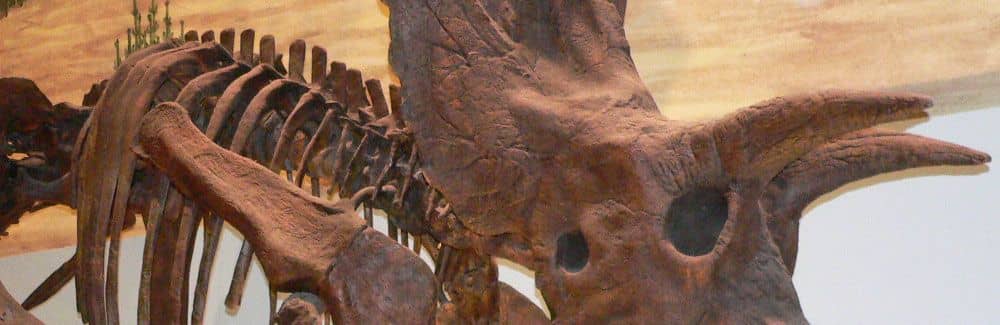
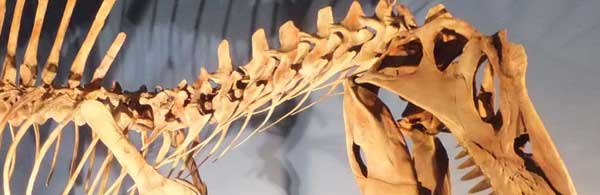
Entering the Cretaceous period, terrestrial plants changed significantly. Ferns and gymnosperms, which had been the mainstream, declined, and "angiosperms" that bear flowers and cover their seeds in an ovary flourished. Adapting to these plant changes, ornithopods (Iguanodon, Parasaurolophus, Maiasaura, Fukuisaurus, Kamuysaurus, etc.) that developed "dental batteries" to grind hard plants with numerous teeth, ceratopsians with horns and frills (Psittacosaurus, Protoceratops, Triceratops, etc.), and armored dinosaurs fully covered in armor (Ankylosaurus, Saichania, Minmi, etc.) prospered greatly. In addition, as the separation of continents progressed further, independent evolution accelerated in each region. In the southern hemisphere, some of the largest sauropods in history like Argentinosaurus, the Giganotosaurus and Carnotaurus that hunted them, and the giant waterside dinosaur Spinosaurus flourished.
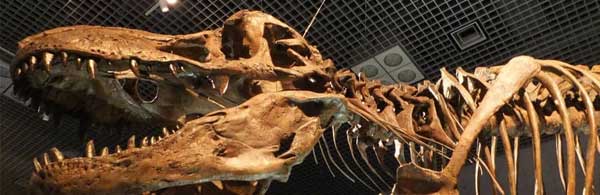
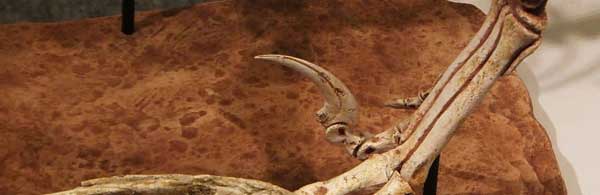
In North America and Asia, highly unique theropods such as Deinonychus and Velociraptor with feathers and sharp claws, Therizinosaurus eating plants with giant claws, and the omnivorous Deinocheirus appeared. At the end of the Cretaceous, Tyrannosaurus and Tarbosaurus, equipped with ultimate biting power and sensory organs, reigned at the top. Here, we introduce the numerous dinosaurs that colored the Cretaceous earth until non-avian dinosaurs met their end due to a giant meteorite impact about 66 million years ago.