Ornithopoda
Ornithopoda
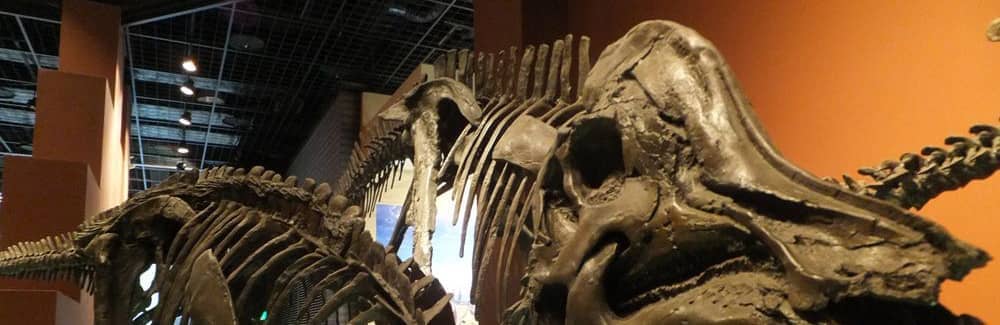
Ornithopoda is a group of ornithischian herbivorous dinosaurs that flourished especially during the Cretaceous period. They expanded to all continents, including North America, Asia, Europe, as well as Australia and the freezing Antarctic region, making them the most populous and successful group in the Mesozoic terrestrial ecosystems. Early small species were agile bipeds, but as they evolved into larger species, they usually walked on all fours to support their heavy weight. It is believed that they skillfully switched between bipedalism and quadrupedalism depending on the situation, such as moving or foraging.
The evolutionary history of ornithopods passes through Iguanodon, discovered in the earliest days of dinosaur research and featuring a thumb spike; Ouranosaurus, with a sail on its back; and Muttaburrasaurus, which evolved uniquely in the Southern Hemisphere and had a large bony bump on its snout, eventually evolving into the Late Cretaceous "hadrosaurs (duck-billed dinosaurs)." Duck-billed dinosaurs, represented by Edmontosaurus, Anatotitan, and Maiasaura, cropped plants with their broad beaks and were able to efficiently grind and digest tough plant fibers using a structure called a "dental battery," where numerous teeth were densely packed in the back of the mouth.
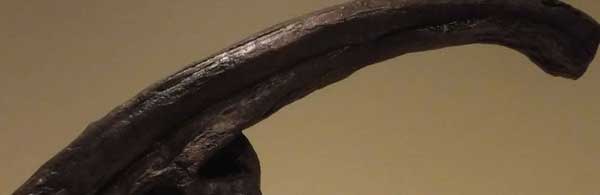
Another major characteristic is their high degree of sociality. Some species, like Parasaurolophus, Corythosaurus, Tsintaosaurus, and Hypacrosaurus, developed hollow crests on their heads to communicate with peers using sound, while others, like Maiasaura, formed herds and raised their young in nests. Furthermore, many of Japan's representative herbivorous dinosaurs, such as Fukuisaurus, Nipponosaurus, and Kamuysaurus (discovered in Hokkaido), belong to this ornithopod group. We will introduce them in detail, including their early relative Kulindadromeus, which had feathers all over its body.
Ornithischia, Ornithopoda Ornithopoda, Ornithischia
Genera: Group 2