Sauropodomorpha
Lizard-footed forms

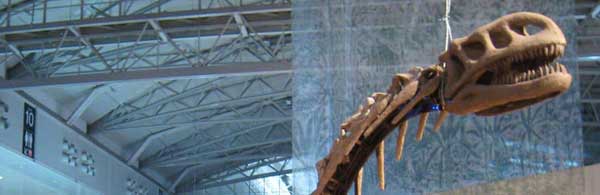
Sauropodomorpha is a group of herbivorous dinosaurs with extremely long necks and tails, and massive bodies. Also known as "thunder lizards," some species reached over 25 to 30 meters in length and weighed tens of tons, making them the largest land animals in Earth's history.
A major taxonomic feature is that, like carnivorous theropods, they belong to the "Saurischia" (lizard-hipped dinosaurs), where the pubis points forward.
Eoraptor, one of the oldest species appearing in the Late Triassic, was an agile biped about 1 meter long and omnivorous, eating both plants and small animals. From there, through early sauropodomorphs like Plateosaurus and Lufengosaurus, adaptation to a herbivorous diet progressed. As their bodies grew larger, they shifted to a pillar-like "quadrupedal" stance to firmly support their heavy weight. During the Jurassic, species like Diplodocus, Apatosaurus, Camarasaurus, and Brachiosaurus—which had long forelimbs to eat leaves from tall trees—reached their golden age. In the Cretaceous, they underwent unique evolution worldwide, producing some of the largest ever like Argentinosaurus, Saltasaurus with bony armor on its back, Tambatitanis discovered in Hyogo Prefecture, Japan, and Amargasaurus with two rows of long spines on its neck.
The secret to maintaining such gigantic bodies lies in their efficient feeding style—swallowing plants whole without chewing with their small heads and digesting them in their massive intestines—and a special respiratory organ called "air sacs" that extended even inside their long neck bones. Air sacs lightened their weight while maintaining skeletal strength, allowing them to take in large amounts of oxygen and expel excess body heat. We will explain in detail everything from the small early sauropodomorphs of the Triassic to the super-giant dinosaurs of the Cretaceous.