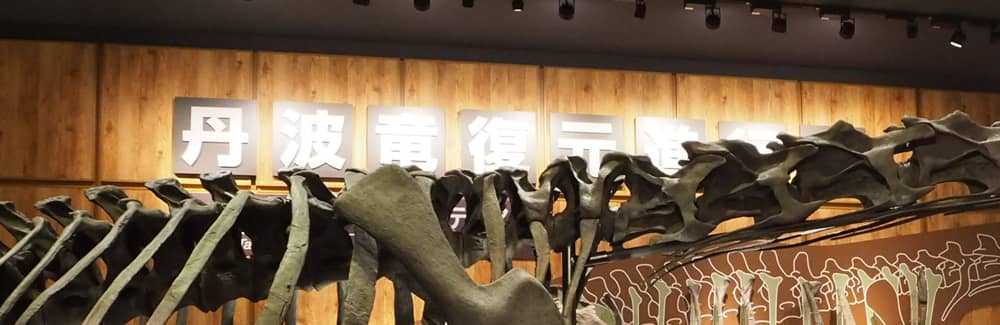
About Tambatitanis
| Scientific Name (Genus) | Tambatitanis |
| Meaning of Name |
Tamba giantess
Tamba[Place name]-titanis(Giant goddess)[Greek mythology] |
| Classification | Saurischia, Sauropodomorpha, Titanosauriformes |
| Total Length | Approx. 15m |
| Diet | Herbivorous |
| Period | Early Cretaceous (about 140 - 120 million years ago) |
| Sub-classification / Species Name | Tambatitanis amicitiae |
| Year of Paper Publication | 2014 |
| Genus Name Publication | Saegusa, H. & Ikeda, T. (2014). A new titanosauriform sauropod (Dinosauria: Saurischia) from the Lower Cretaceous of Hyogo, Japan. Zootaxa. |
"Tamba Dragon" that Changed the History of Japanese Paleontology
In August 2006, a historic discovery was made on the riverbed of the Sasayama River in Tamba City, Hyogo Prefecture. Kiyoshi Adachi, a fossil enthusiast, and his friend Shigeru Murakami, who was an amateur in fossil surveying, were conducting a geological survey when they found a mysterious fossil sticking out slightly from a rock. This was Tambatitanis, a large herbivorous dinosaur that would later be loved throughout Japan under the nickname "Tamba Dragon".
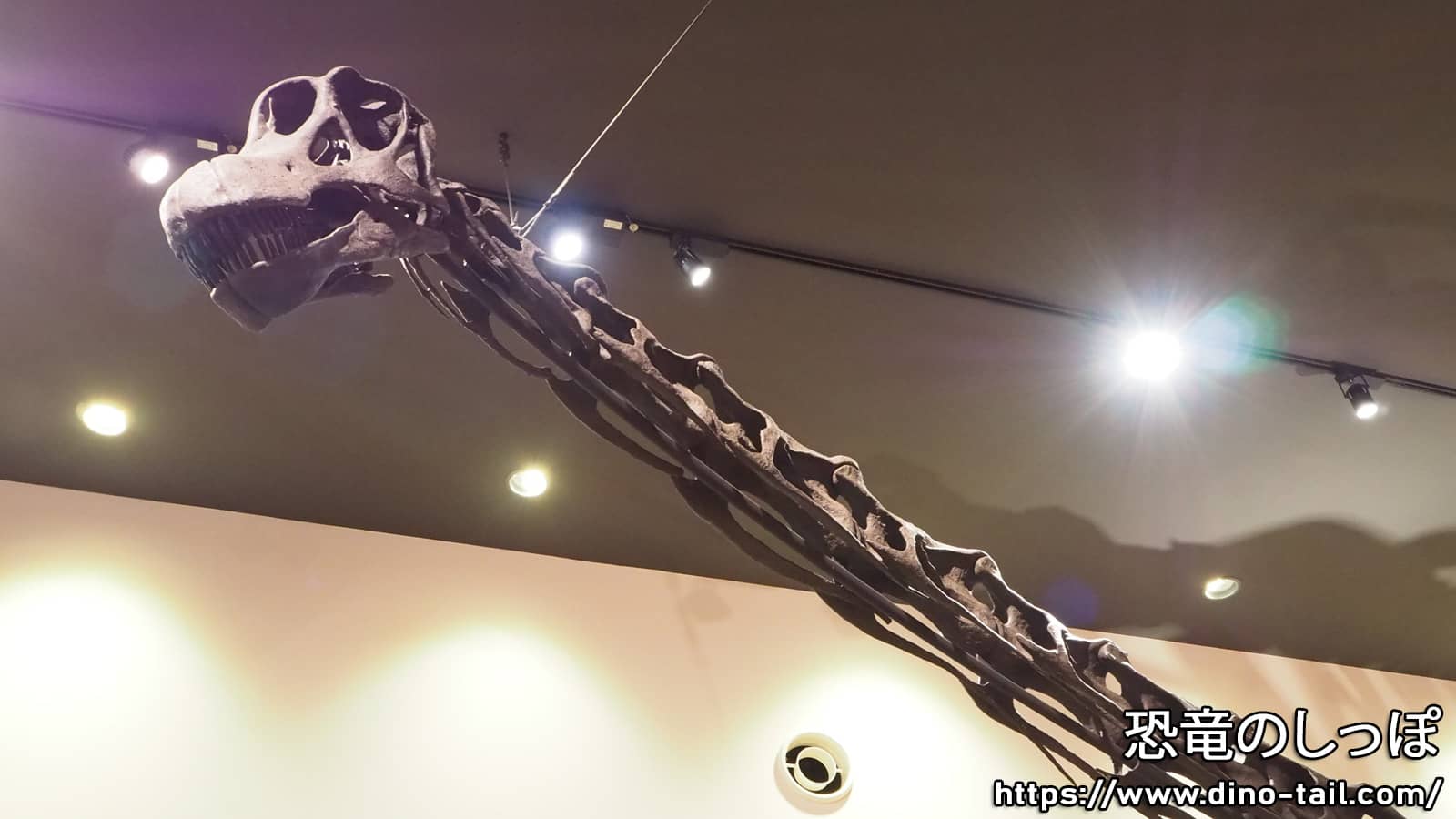
As of 2026, a complete skull fossil has not been found, but fossils of the "braincase", "dentary" (lower jaw bone), and "teeth", which are parts of the skull, have been discovered.
Until then, it was extremely rare for such well-preserved fossils of a single large dinosaur individual to be excavated from the Japanese archipelago, which experiences intense crustal movement. The fact that the discovery of the century was brought about by the steady observation of local amateurs rather than experts has been handed down as a wonderful success story in the scientific world.
After years of cleaning work and research since the discovery, this dinosaur was officially named "Tambatitanis amicitiae" as a new genus and species in 2014. "Amicitiae" means "friendship" in Latin, a wonderful name honoring the friendship of the two men who achieved the miraculous discovery.
Distinctive Body Structure and a Massive "Tail"
A detailed examination of the skeleton of Tambatitanis revealed eight unique features not found in any other dinosaur in the world. Interestingly, seven of them were related to the "tail" or the bones beneath it.
A characteristic uniquely evolved and acquired only by that specific group of organisms. The presence of this feature serves as decisive evidence proving "This is a new kind of dinosaur!".
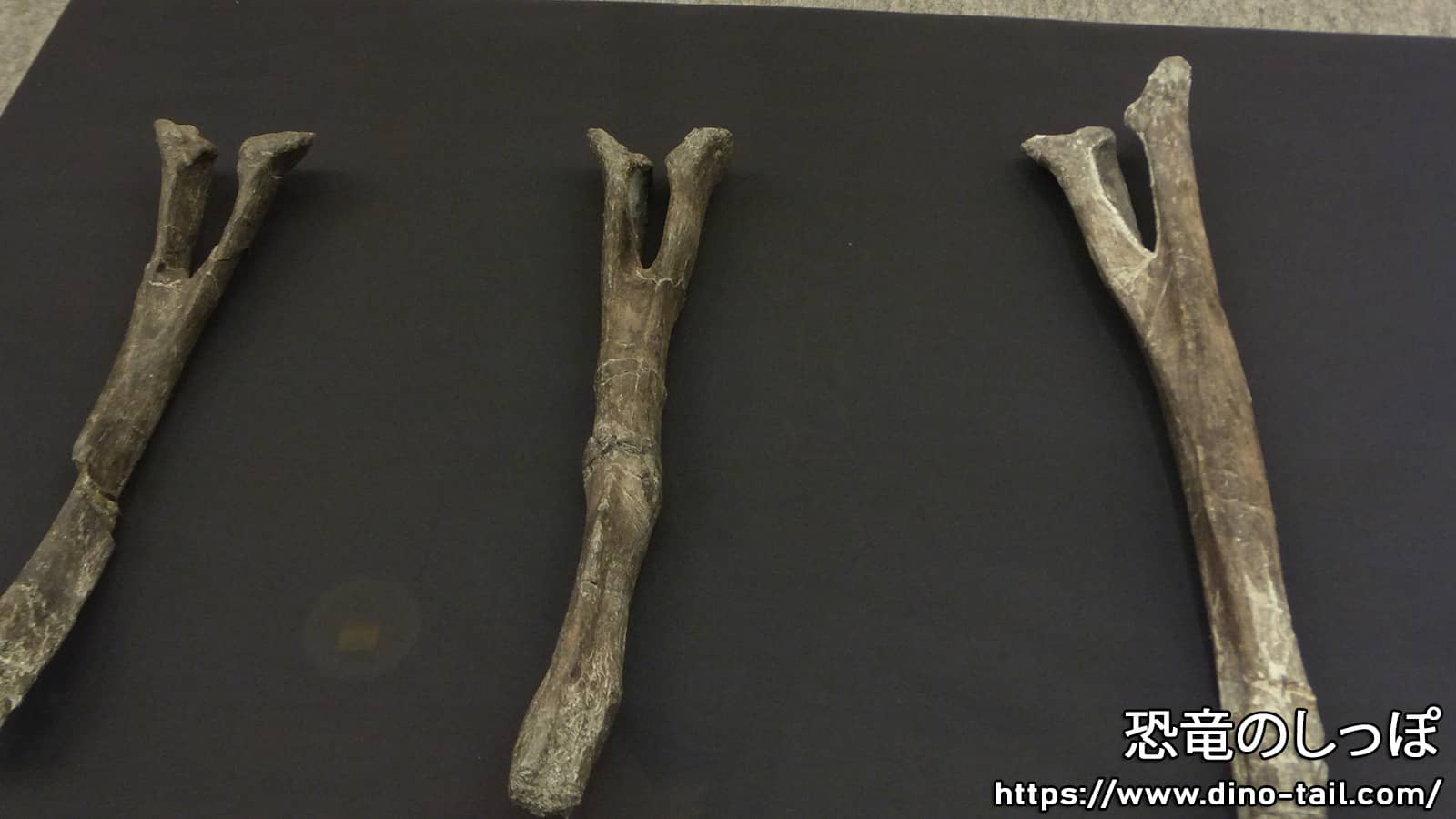
Of particular note are the V-shaped bones lined up beneath the tail bones, called "chevrons". The chevrons of Tambatitanis were longer relative to its body size than those of any other sauropod. This means that the massive muscle connecting the base of the tail to the thigh (the caudofemoralis muscle) was well developed.
Bones attached to the underside of the tail bones (caudal vertebrae). They protect important blood vessels and serve as an attachment point for muscles.
During the rainy season, rivers in the Tamba region at that time flooded, turning the area into muddy wetlands. It is thought that this massive muscle and strong tail structure were absolutely necessary to powerfully pull its legs out of the thick mud and move forward. The heavy tail might have also served as a weapon to deliver a powerful blow when attacked by carnivorous dinosaurs.
Furthermore, recent research shows that it did not adopt the posture often depicted in older encyclopedias of "raising its neck vertically high like a giraffe". If a massive creature weighing 15 to 20 tons raised its neck nearly 10 meters high, the blood pressure required to pump blood to the brain would become incredibly high, which its heart could not withstand. It is believed that Tambatitanis kept its neck horizontal or diagonally forward relative to the ground and moved it widely from side to side to efficiently harvest and eat plants.
The Rich Environment and Ecosystem of the Early Cretaceous
By investigating the stratum called the "Sasayama Group" where the Tambatitanis fossils were found, it has become clear that an astonishingly rich natural environment spread across East Asia about 110 million years ago.
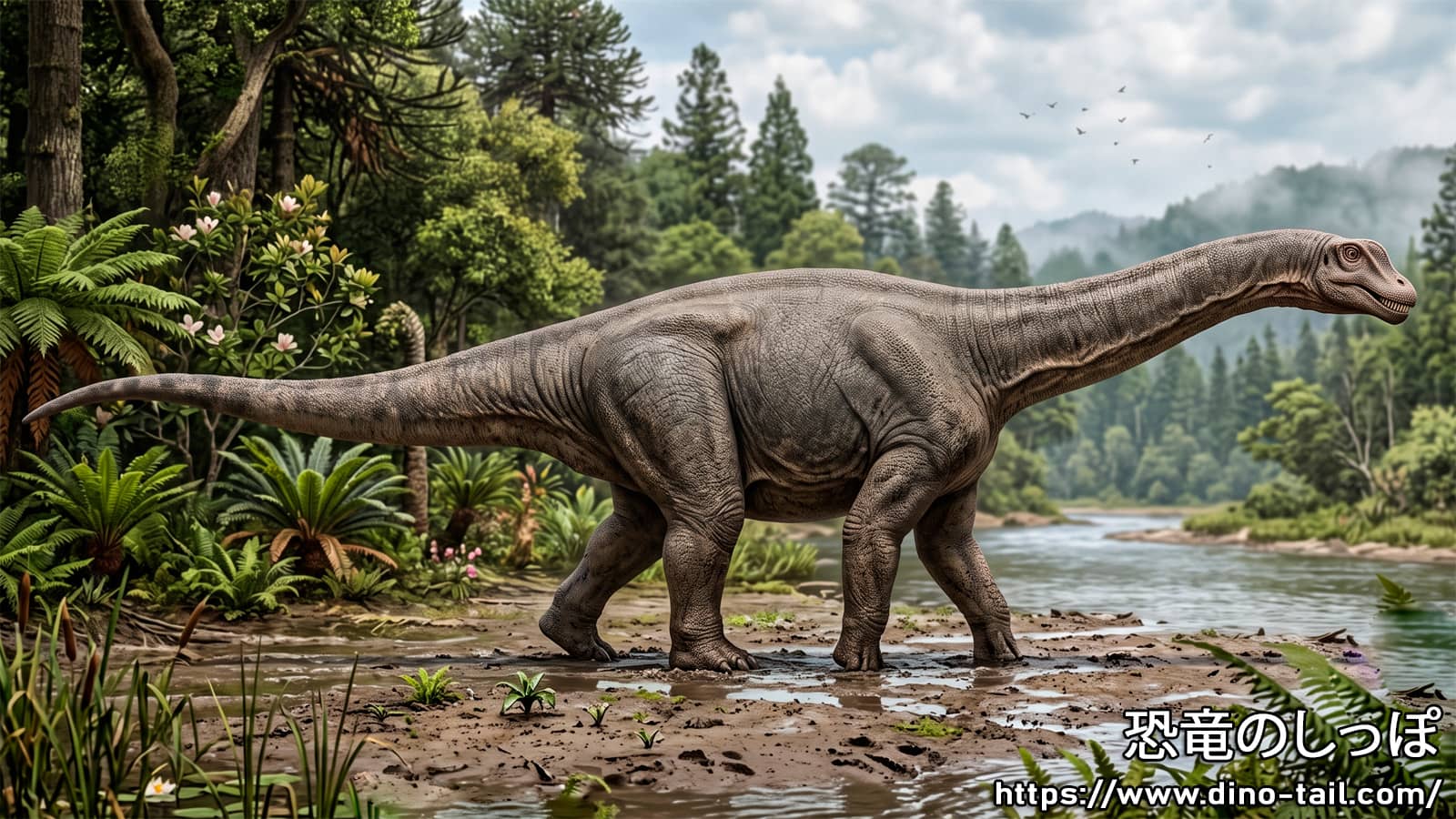
by Gemini. 2026.
Within the ecosystem of that time, the 15-meter-long Tambatitanis was a giant herbivore with an overwhelming presence. Fossils of "Sasayamagnomus", a primitive ceratopsian about 80 centimeters long that walked on two legs, have also been found in the same location. It is thought that they were able to coexist by dividing the height and types of plants they ate.
On the other hand, many teeth of carnivorous dinosaurs have also been found. The discovery of shed teeth from carnivorous dinosaurs mixed in around the bones of Tambatitanis suggests that several carnivorous dinosaurs swarmed and fed on its massive carcass.
What is further noteworthy is that this Tamba region is one of the world's leading fossil sites for "dinosaur eggs." Fossils of six types of eggshells have been found, including one of the world's smallest dinosaur eggs (about the size of a quail egg). This was an important breeding ground nurturing a wide variety of life, from giant sauropods to small carnivorous dinosaurs.
Tamba Dragon Fossil Studio "Chi-tan's House"
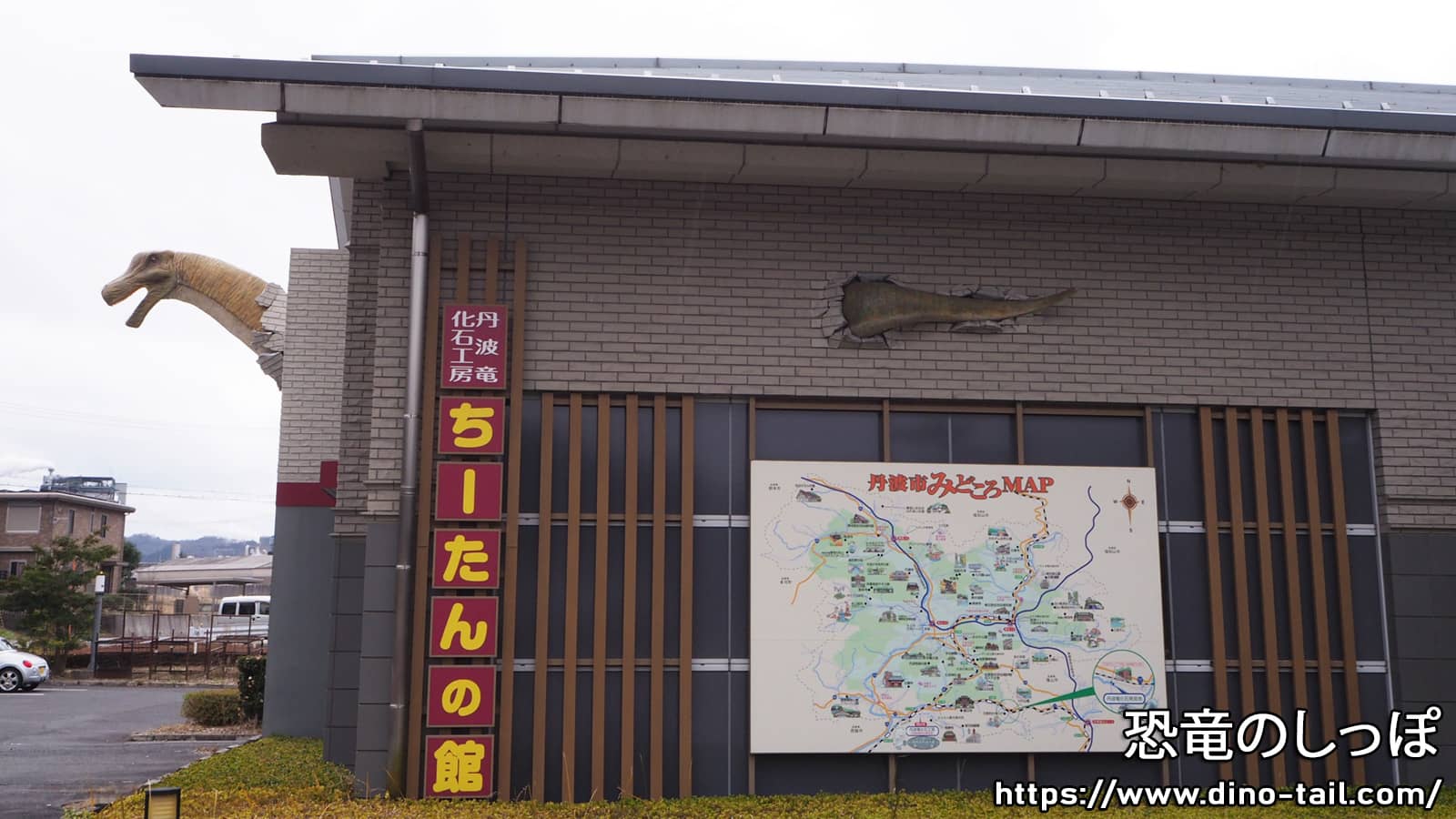
The discovery of Tambatitanis brought great joy and influence not only to the Japanese paleontological community but also to the local people.
The local research hub near the excavation site, the "Tamba Dragon Fossil Studio Chi-tan's House," was renovated following years of research and the discovery of new fossils, and in July 2025, it made a long-awaited grand reopening as the "Tamba Dinosaur Museum." It has been reborn as an exciting facility where visitors can view not only the impressive 15-meter-long full skeleton of Tambatitanis but also the "cleaning process" in which specialized technicians carefully carve fossils out of rock, visible through glass.