Theropoda
Theropoda
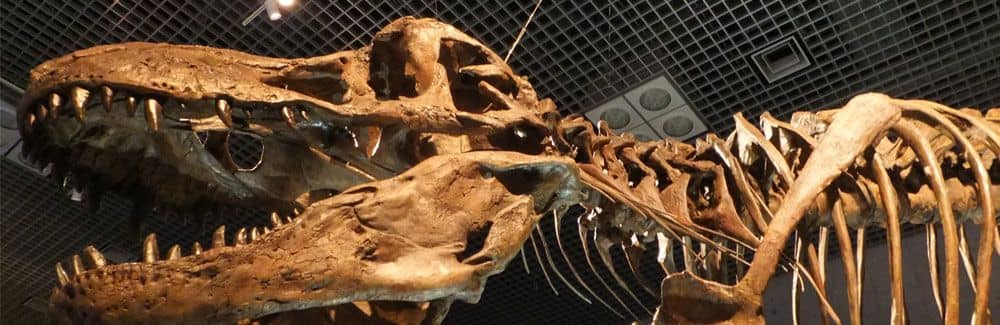
Theropods (Theropoda), a subgroup of saurischian dinosaurs, consist of bipedal dinosaurs that stand on powerful hind legs, and all known carnivorous dinosaurs belong to this group.
Although they possessed lizard-like pelvises (Saurischia), a major characteristic is that they developed a hollow bone structure into which air sacs entered, giving them lightness and high athletic ability even with a massive build, as well as an efficient respiratory system shared with birds.
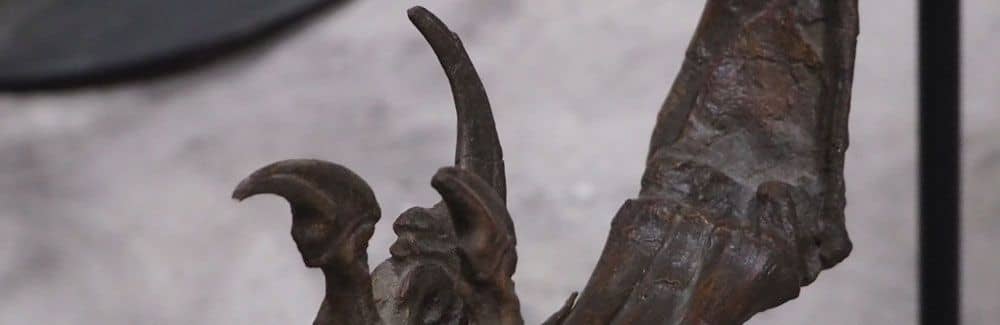
Early theropods such as Herrerasaurus and Coelophysis that appeared in the Late Triassic were small and agile hunters, but in the Jurassic, Allosaurus and Megalosaurus reigned as apex predators. Furthermore, entering the Cretaceous, they evolved into some of the largest species ever, such as Spinosaurus, which adapted to the waterside, and Tyrannosaurus, which acquired overwhelming bite force to crush prey along with its bones and excellent stereoscopic vision. On the other hand, groups that shifted from carnivory to herbivory or omnivory during evolution also appeared, branching out into an astonishingly diverse range of ecologies, such as Therizinosaurus with its giant sickle-like claws, the omnivorous Deinocheirus, and Gallimimus and Oviraptor, which lost their teeth and developed beaks.
In addition, since the late 1990s, traces of "feathers" have been discovered one after another from fossils such as Sinosauropteryx and Yutyrannus, and it has become an unshakable established theory that modern "birds" evolved from a part of theropods. We will introduce the theropods as revealed by the latest paleontology, including the proof of homeothermy to maintain body temperature, and the mechanism by which large species lost their feathers and reverted to scales to prevent overheating.