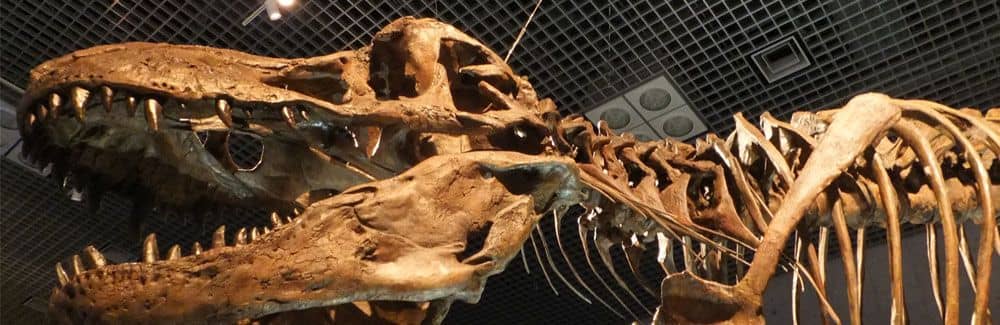
Introduction: Dinosaur Warm-blooded/Cold-blooded Debate and Paradigm Shift
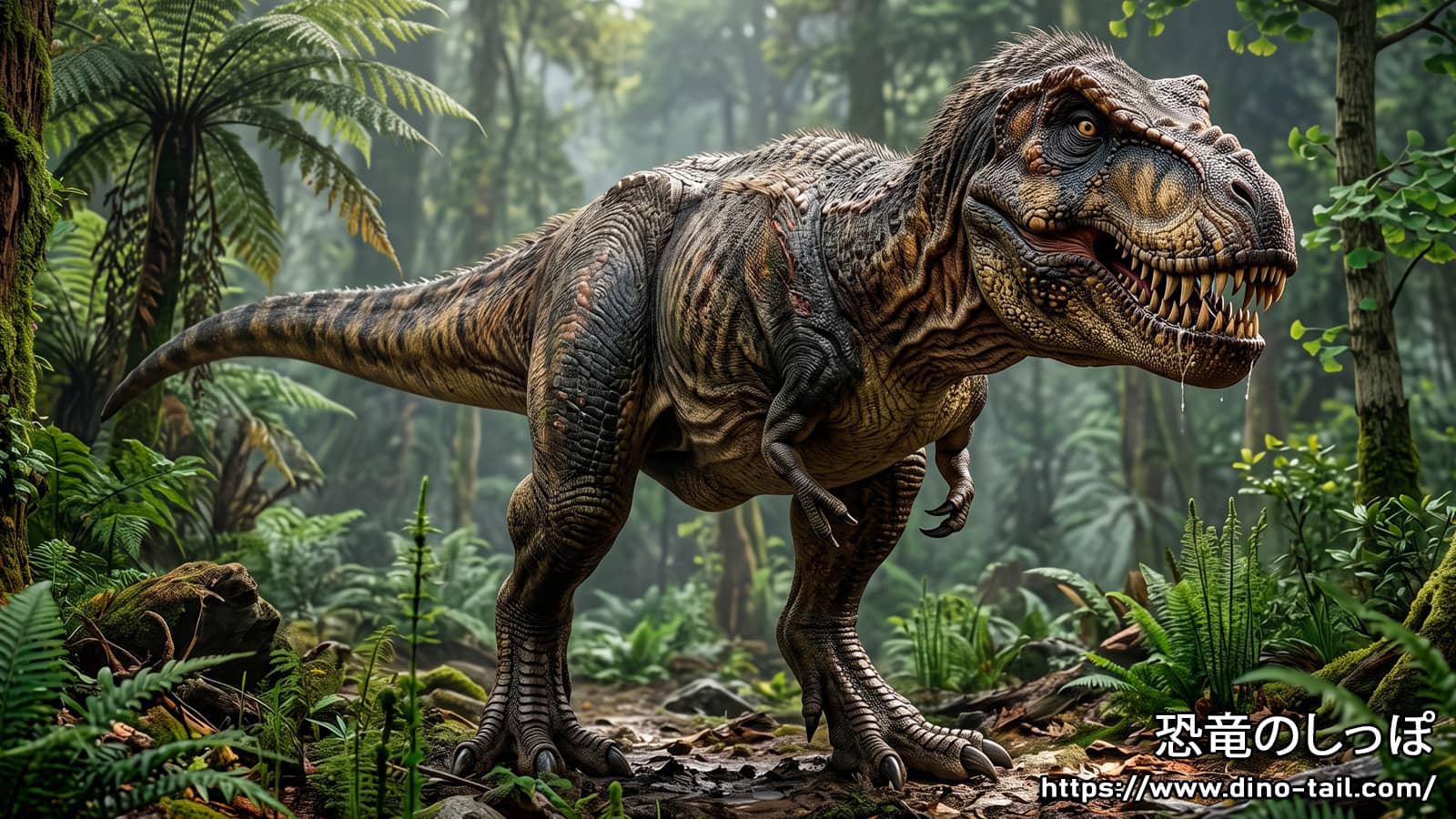
Gemini Generated Image
One of the most fiercely debated topics in the history of paleontology over the past 150 years is the question, "How did dinosaurs regulate their body temperature?"
Since the group "Dinosauria" was named in 1842, dinosaurs have long been thought to be "cold-blooded (ectothermic)" animals that rely on the ambient temperature to raise their body temperature, much like modern lizards and crocodiles. In this old view, dinosaurs were depicted as sluggish, giant reptiles that needed to bask in the sunlight to warm up in order to become active.
However, starting in the late 1960s, a turning point in research known as the "Dinosaur Renaissance" arrived. With the discovery of skeletal similarities between dinosaurs and modern birds, and the successive discoveries of blood vessel traces indicating active growth inside their bones, the theory that "dinosaurs were 'warm-blooded (endothermic)' animals capable of generating heat internally and moving actively" gained prominence.
Ectothermic (Cold-blooded) and Endothermic (Warm-blooded):
Ectothermic animals, like snakes and lizards, utilize external heat (such as sunlight) to raise their body temperature. Endothermic animals, like humans and birds, can generate heat internally using energy from digesting and metabolizing food, maintaining a constant body temperature regardless of the outside temperature.
Nevertheless, it was considered impossible to directly measure the body temperature of extinct animals. This was because the counterargument of "gigantothermy," which suggests that a massive body would retain heat and consequently maintain a high body temperature, could not be completely refuted.
The study published in the scientific journal Science Advances on September 16, 2026, provided conclusive evidence for this long-standing debate. An international research team at the University of California, Los Angeles (UCLA) successfully determined the body temperature of Tyrannosaurus when it was alive from fossilized teeth using a new chemical analysis method.
"Prehistoric Thermometer" Engraved in Fossils
To accurately determine the body temperature of an organism that has been extinct for 66 million years, "evidence" preserving the state of when it was alive is necessary. The research team employed a groundbreaking method called "clumped isotope paleothermometry."
What is clumped isotope paleothermometry?
It is a method of examining how slightly abundant "heavy carbon (Carbon-13)" and "heavy oxygen (Oxygen-18)" atoms in nature bond together within the components of a fossil (carbonate ions). When teeth or bones form inside an animal's body, these heavy atoms tend to bond more strongly to each other the lower the body temperature is. By measuring the strength of this bond, the body temperature at that time can be calculated, making it a "thermometer" within the fossil.
Why examine "tooth enamel"?
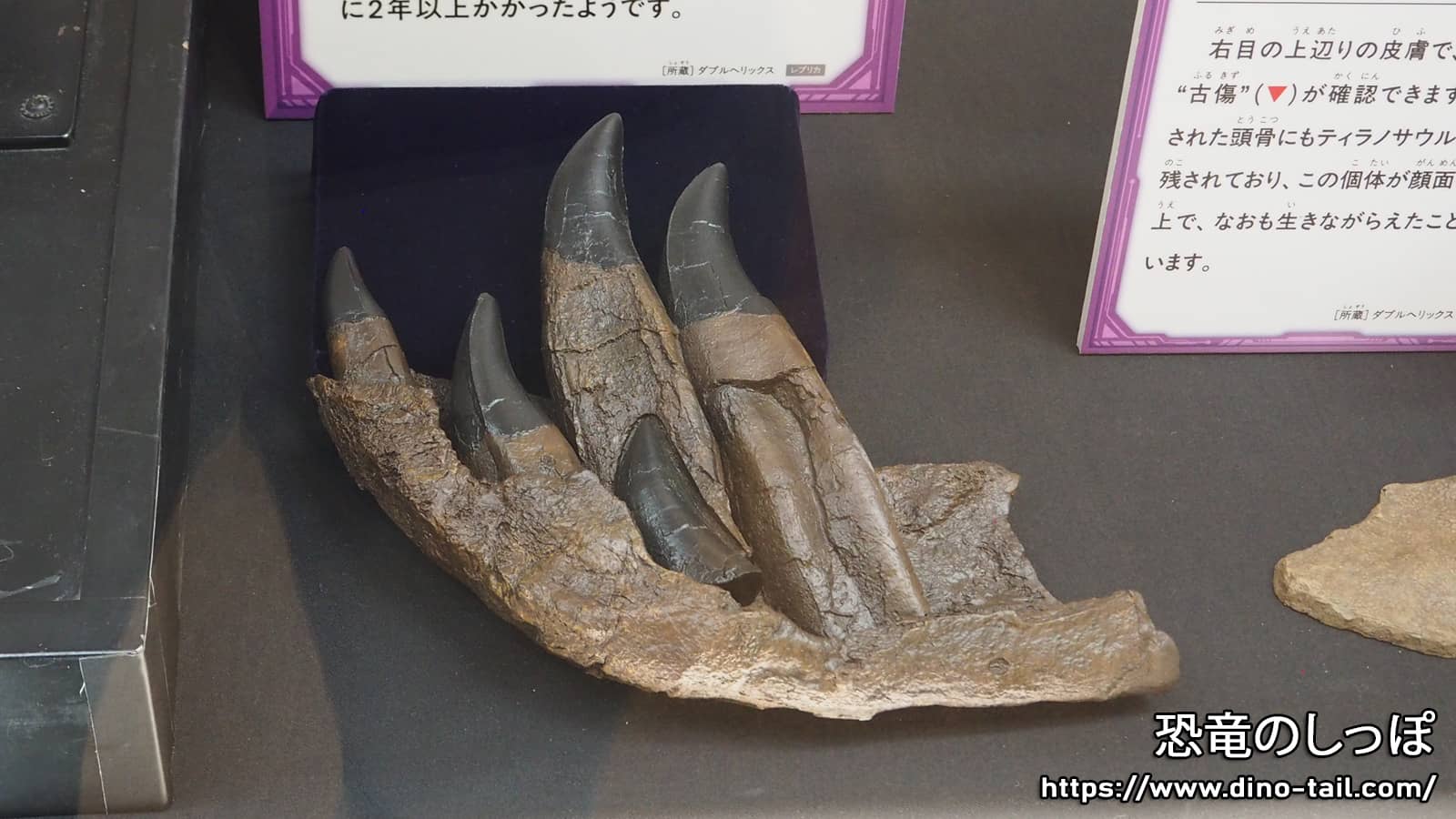
The biggest obstacle in applying this method to dinosaurs is that the components change (diagenesis) due to surrounding groundwater and geothermal heat during the fossilization process. Porous bone fossils have the weakness of being susceptible to these changes.
Therefore, the research team focused on "tooth enamel." Enamel is extremely hard and has a dense crystal structure, so it has the remarkable characteristic of being highly resistant to external chemical changes even after tens of millions of years.
The laboratory at UCLA spent over 10 years refining this analytical technique, succeeding in extracting accurate temperature data from a much smaller amount of tooth powder (just a few milligrams) than previously possible. This led to this discovery while minimizing damage to precious Tyrannosaurus teeth in museums.
Measurement Result: Tyrannosaurus Body Temperature was approximately 36.3°C
In the study, three Tyrannosaurus teeth excavated from the Hell Creek Formation, a stratum from the late Cretaceous period (about 66 million years ago) in North America, were analyzed.
As a result of the analysis, the average body temperature of Tyrannosaurus calculated from the three teeth was 36.3°C (error ±2.5°C). This temperature of about 36°C is almost the same as that of modern mammals like humans and elephants. It proved that they maintained a constantly warm body, much higher than that of reptiles (generally around 28-30°C), which are modern ectothermic animals.
| Analysis Target (Hell Creek Formation) | Estimated Body Temp (Average) | Characteristics |
|---|---|---|
| Tyrannosaurus rex (T. rex) | 36.3 °C | Almost the same as modern mammals like humans and elephants. Maintained a high body temperature. |
| Ancient crocodilians (Control group) | 30.9 °C | Body temperature of an ectothermic animal depending on the surrounding environment, like modern crocodiles. |
| Freshwater bivalves (Environmental water temp) | 25.9 °C | The water temperature of rivers and lakes at the time. Indicates the average warmth of the environment at that time. |
Decisive evidence shown by comparison with crocodiles
The reason this research result is reliable is that the teeth of ancient "crocodiles" that lived in the same place at the same time (Hell Creek Formation) were also analyzed. If the fossils were heated later by geothermal heat and the data became anomalous, the crocodile teeth should also show a high temperature like Tyrannosaurus.
However, the crocodile's body temperature was about 30.9°C, an ectothermic value just like modern crocodiles. Furthermore, the environmental water temperature of rivers at the time (measured from bivalves) was about 26°C. It became clear that Tyrannosaurus possessed its own "internal heat" that was distinctly higher than its surrounding environment and contemporary crocodiles.
Is it warm because of its huge body? (Counterevidence against gigantothermy)
There is a concept called "gigantothermy," which suggests that "if a body is too huge, heat cannot escape, and even a cold-blooded animal will have a high body temperature." Since Tyrannosaurus was a massive dinosaur weighing up to about 9 tons, it has long been debated whether this theory applies to it.
However, the current data cannot be explained by this theory alone. Crocodiles in the same Hell Creek Formation were also exceptionally huge for their time, but their body temperature remained at about 31°C. There was a clear body temperature barrier between Tyrannosaurus and crocodiles of the Cretaceous. This strongly indicates that Tyrannosaurus was not merely huge, but had a "high basal metabolism that actively generates heat" like mammals.
The Ecology of the "Warm-blooded Tyrant" that ruled the Cretaceous
The fact that Tyrannosaurus possessed a mammalian-level body temperature and high metabolism greatly changes the image we have of them.
An engine that supported explosive growth of 2kg per day
Past research has revealed that Tyrannosaurus entered a rapid growth phase from around the age of 14, gaining about 600 kg (about 2 kg per day) in a single year. To multiply cells and build a massive skeleton at such a ferocious speed, the low metabolism of a cold-blooded animal completely lacks energy. This astonishing growth was possible precisely because they were true endothermic animals.
Active apex predator and expansion into cold regions
Animals that maintain a high body temperature constantly require a large amount of calories. Tyrannosaurus was not a sluggish lizard waiting still to warm up by basking in the sun. It was an active and terrifying hunter, constantly roaming and searching for prey without dropping its body temperature even at night or in bad weather.
Furthermore, the ability to generate heat internally explains why they could expand into cold regions like Alaska. Because they could circulate warm blood and remain active even in cold winter regions where ectothermic animals like crocodiles could not survive, it is believed they were able to reign at the apex of the North American continent.
Conclusion and Future Prospects
The UCLA study published in 2026 proved for the first time from chemical data that the average body temperature of Tyrannosaurus rex was about 36.3°C.
Tyrannosaurus is no longer a sluggish giant reptile. It has been revealed that they were dinosaurs that grew rapidly and dashed across the North American continent. This research can be said to serve as decisive evidence for the long-standing debate in paleontology over whether dinosaurs were "warm-blooded or cold-blooded," and to have opened a new scientific door to directly unraveling the physiology of extinct animals.
Citations and References
- The body temperature of Tyrannosaurus rex - PubMed, https://pubmed.ncbi.nlm.nih.gov/42748265/
- T. rex body temperature measured from fossil teeth - Leaked-Info, https://leaked-info.com/leaked-reports/t-rex-body-temperature-teeth/
- A 66-million-year-old tooth reveals T. rex was nearly as warm as a, https://www.sciencedaily.com/releases/2026/09/260919031020.htm
- Tyrannosaurus Rex Was a Warm-Blooded Dinosaur, With a Body, https://www.smithsonianmag.com/smart-news/tyrannosaurus-rex-was-a-warm-blooded-dinosaur-with-a-body-temperature-similar-to-that-of-humans-study-suggests-180989519/
- T. rex had a body temperature of 36.3°C, almost the same as humans, https://timesofindia.indiatimes.com/science/archaeology/t-rex-had-a-body-temperature-of-36-3c-almost-the-same-as-humans-fossil-tooth-chemistry-reveals-the-66-million-year-old-predator-was-warm-blooded-and-could-survive-in-cold-climates/articleshow/134337176.cms