The Drifting Continent and Indian Paleontology
The paleontological history of the Indian subcontinent is one of the most fascinating stories in Mesozoic vertebrate evolution.
Separation from the supercontinent Gondwana, a long drift as an isolated "island continent," and the collision with the Asian continent. Through this geological journey, India became a natural laboratory where dinosaurs underwent unique evolution.
The history of dinosaur research in India began in 1828 when Captain William Sleeman discovered giant bones near Jabalpur. This was one of the earliest dinosaur fossil discoveries in Asia, and in 1877, Richard Lydekker described Titanosaurus, India's first genus.
During the Mesozoic Era, India was separated from Laurasia (which included present-day North America and Eurasia) for a long time. On the other hand, recent studies suggest that India maintained some biotic exchange with Madagascar and South America through land bridges or corridors until quite late in the Cretaceous period.
Major Geological Formations Nurturing Indian Dinosaurs
To understand India's dinosaur fauna, it is essential to know the geological formations where they were buried and the depositional environments of that time. Fossil records are mainly concentrated in the following three major sedimentary layers.
Pranhita-Godavari Basin (Triassic - Jurassic)
Located in south-central India, this rift basin preserves strata from the Late Paleozoic to the Early Cretaceous. It is a crucial formation for elucidating early dinosaur evolution.
Early saurischians have been produced from the Late Triassic Maleri Formation, and giant sauropods like Barapasaurus from the subsequent Dharmaram Formation and the Early Jurassic Kota Formation.
Lameta Formation (Late Cretaceous)
This is the formation that has yielded the most dinosaur fossils in India. It is located directly beneath the "Deccan Traps" lava flows caused by massive volcanic activity at the end of the Cretaceous.
The environment at that time is thought to have been a semi-arid landscape with seasonal rivers and shallow lakes, where abelisaurid theropods like Rajasaurus and diverse titanosaurs flourished.
| Formation Name | Period | Main Environment | Representative Dinosaurs |
|---|---|---|---|
| Maleri Formation | Late Triassic | River | Alwalkeria |
| Kota Formation | Early Jurassic | River / Lake | Barapasaurus, Kotasaurus |
| Lameta Formation | Late Cretaceous | Semi-arid / River | Rajasaurus, Isisaurus |
| Kallamedu Formation | Late Cretaceous | Coastal / Shallow Sea | Bruhathkayosaurus |
Giants of the Jurassic: Sauropods of the Kota Formation
The Pranhita-Godavari Basin in south-central India spreads strata from the Early Jurassic that record the moment dinosaurs began to grow gigantic.
Tagore's Big Foot: Barapasaurus
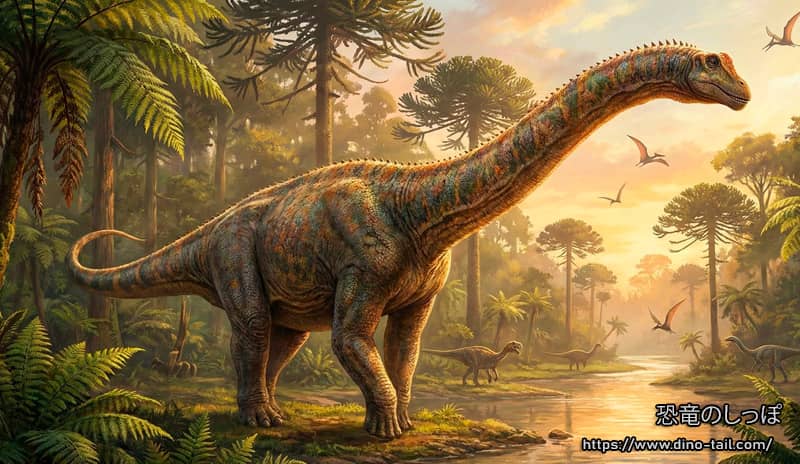
Barapasaurus tagorei is globally famous as an early sauropod with well-preserved skeletal fossils. The genus name means "big-legged lizard" in Indian languages, and the species name was dedicated to the Nobel Prize-winning poet Rabindranath Tagore.
It reached a total length of 14-18 meters, making it one of the largest land animals of its time. Approximately 300 bones corresponding to at least six individuals have been discovered from a bonebed co-occurring with giant fossilized tree trunks. It had spoon-shaped teeth and is thought to have stripped and eaten coarse vegetation.
Kotasaurus with Defensive Weapons
Kotasaurus is a sauropod that retained more primitive characteristics than Barapasaurus.
A 2024 study identified that Kotasaurus had a bony "club" on its tail. While tail clubs were previously thought to be unique to dinosaurs like the Chinese Shunosaurus, this discovery is drawing attention as it overturns conventional theories about the evolution of sauropod defensive mechanisms.
Rulers of the Cretaceous: Theropods of the Lameta Formation
Late Cretaceous India was dominated by abelisaurid carnivorous dinosaurs with short snouts, horns, and reduced forelimbs.
King of Narmada: Rajasaurus

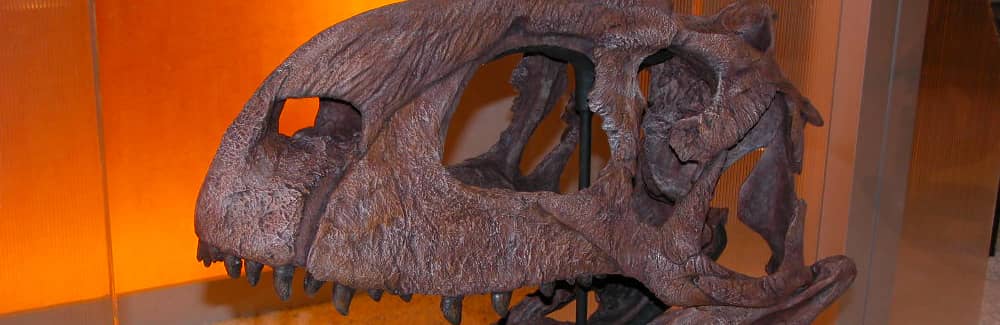
Described in 2003, Rajasaurus narmadensis is India's apex predator. It possessed a single sturdy horn on its head, which is also the origin of its name (King).
It had a robust build with a total length of about 7-9 meters. It is extremely closely related to Majungasaurus of Madagascar, serving as important evidence of intercontinental connections in Gondwana at that time.
Rahiolisaurus acting in packs
Rahiolisaurus was discovered in the same region as Rajasaurus but had a more slender and gracile form.
Individuals of different growth stages were found from the same site, suggesting the possibility that they hunted in packs, which is rare for abelisaurids.
The Mystery of the Largest: Bruhathkayosaurus
In Indian dinosaur research, Bruhathkayosaurus is the most controversial subject.
The tibia of this dinosaur discovered in South India reached 2 meters in length, a size surpassing Argentinosaurus. Early estimates suggested a weight of 175-220 tons, comparable to a whale.
Unfortunately, the specimen itself disintegrated during excavation and transport due to the fragility of the rock, and now only photos and sketches remain. However, a re-evaluation in 2023 still suggests the possibility that it was a giant body exceeding 110 tons, close to the "physical limit of land animals."
Table: List of Major Dinosaurs in India
| Genus Name | Period | Classification | Characteristics |
|---|---|---|---|
| Barapasaurus | Early Jurassic | Eusauropoda | Early giant sauropod. Symbol of Indian paleontology. |
| Kotasaurus | Early Jurassic | Sauropoda | Possessed a bony club on its tail. |
| Rajasaurus | Late Cretaceous | Abelisauridae | Apex predator with a horn on its head. |
| Isisaurus | Late Cretaceous | Titanosauria | Unique body shape with a nearly vertical neck and long forelimbs. |
| Bruhathkayosaurus | Late Cretaceous | Titanosauria | Possibly one of the largest in history (>100 tons). Currently a phantom fossil. |
Volcanic End and the Dinosaur Nursery
In the Late Cretaceous, India was hit by the massive volcanic activity of the "Deccan Traps" eruptions. Lava flows covered the dinosaurs' habitats, but many fossils were preserved in the strata directly beneath.
India is also known for having one of the world's largest dinosaur nesting sites. Thousands of eggs have been discovered from sites in Gujarat state and elsewhere, revealing that titanosaurs built nests in groups. Abnormalities such as double shells have been found in some eggs, telling a tale of environmental stress caused by volcanic activity.
Guide to Indian Museums and Fossil Parks
There are several facilities in India where you can view precious fossils up close.
| Facility Name | Location | Main Highlights |
|---|---|---|
| Raiyoli Dinosaur Fossil Park | Gujarat | Discovery site of Rajasaurus. Boasts the 3rd largest scale in the world as a fossil park. |
| Indroda Dinosaur and Fossil Park | Gujarat | "India's Jurassic Park." Numerous egg fossils and life-size models. |
| ISI Geology Museum | Kolkata | Giant full-body skeleton exhibit of Barapasaurus. |
| B.M. Birla Science Museum | Hyderabad | Full body mount of Kotasaurus. |