Tyrannosaurus Specimens That Have Graced Dinosaur Exhibitions in Japan
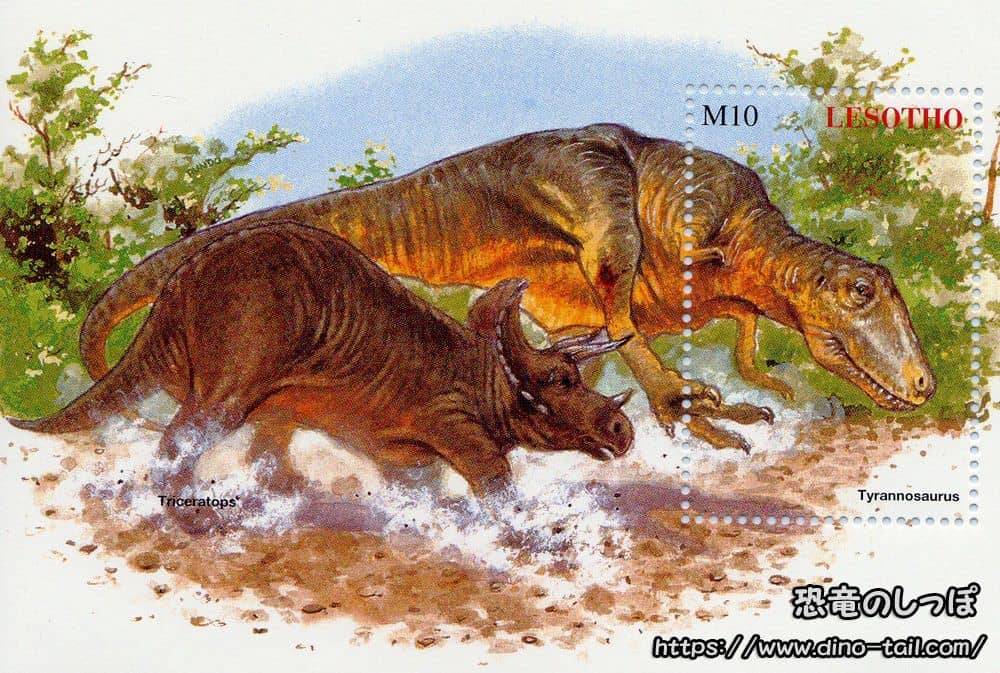
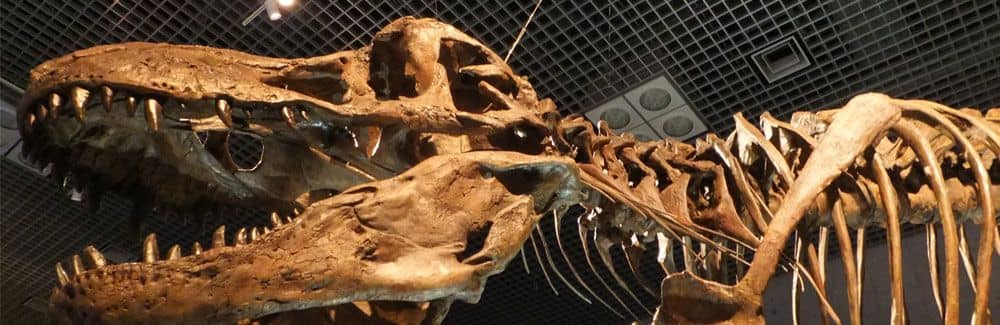
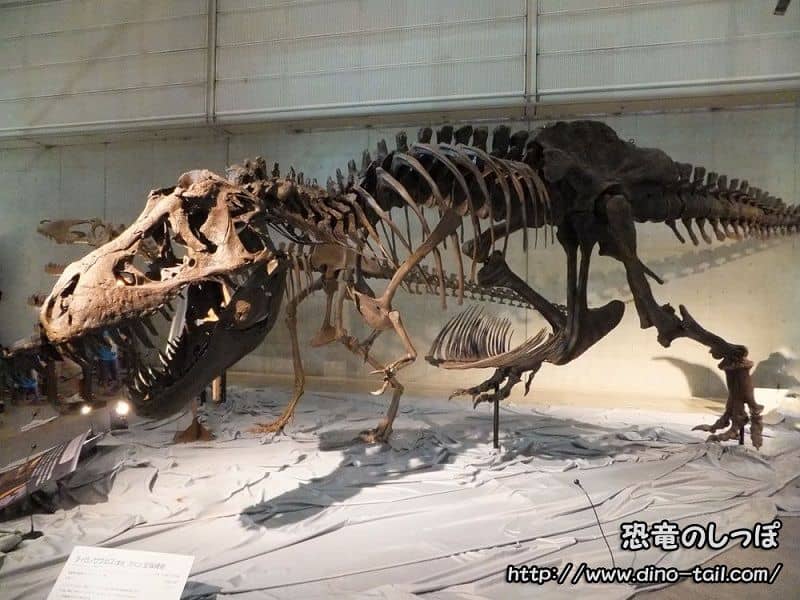
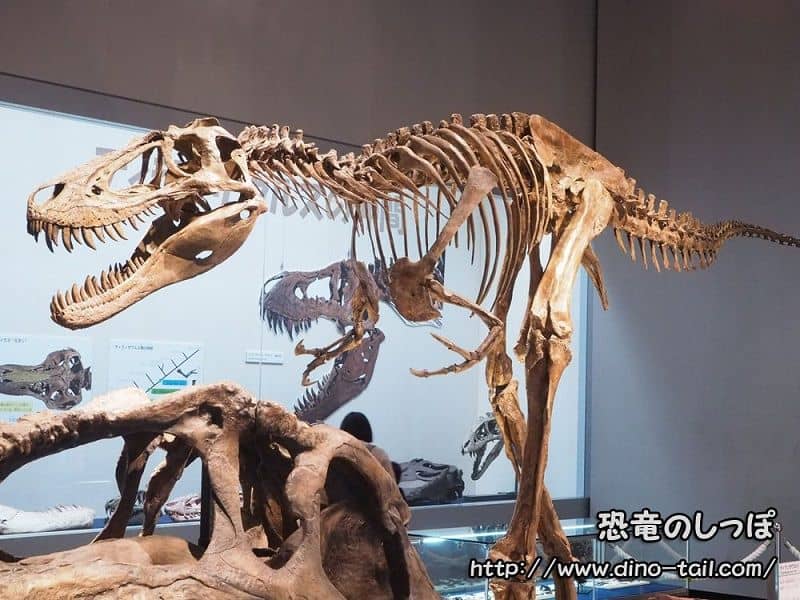
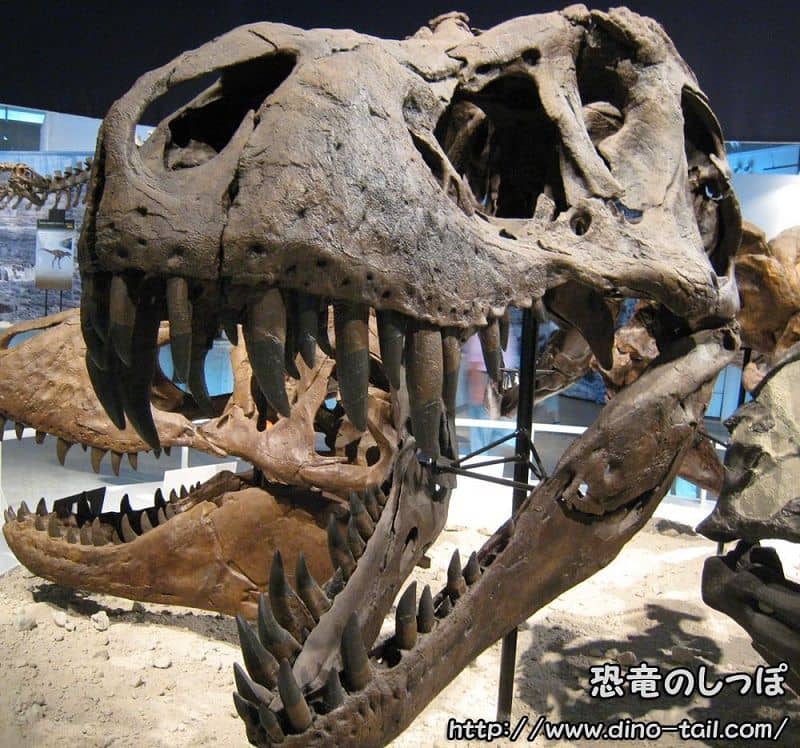
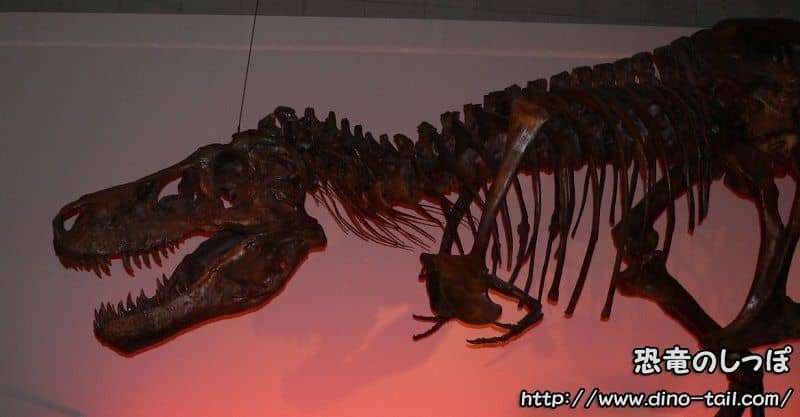
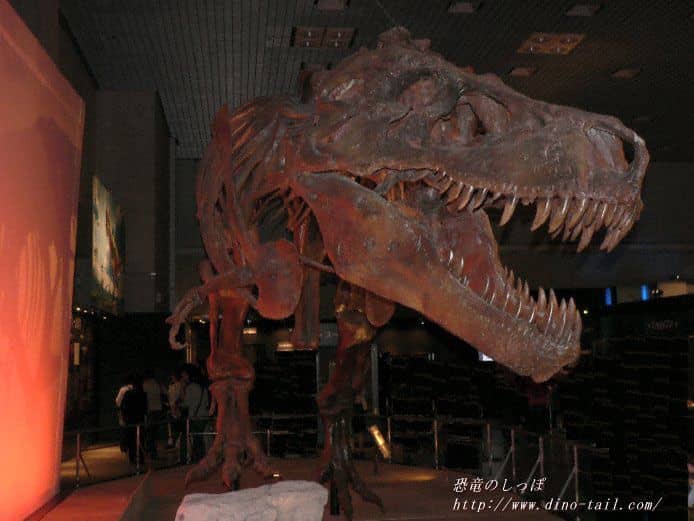
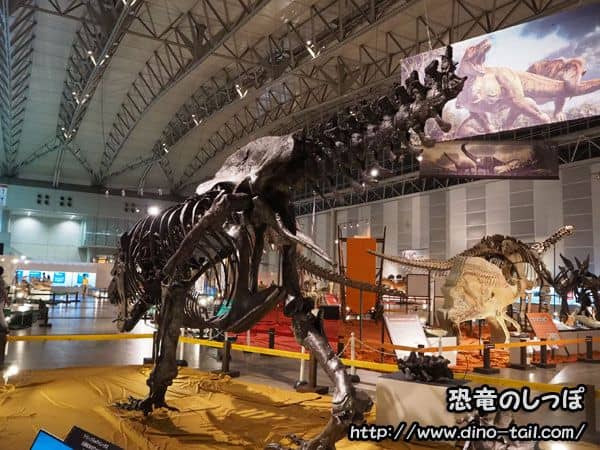
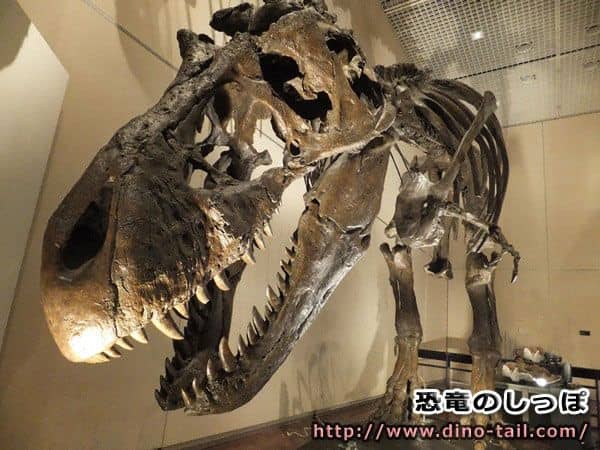
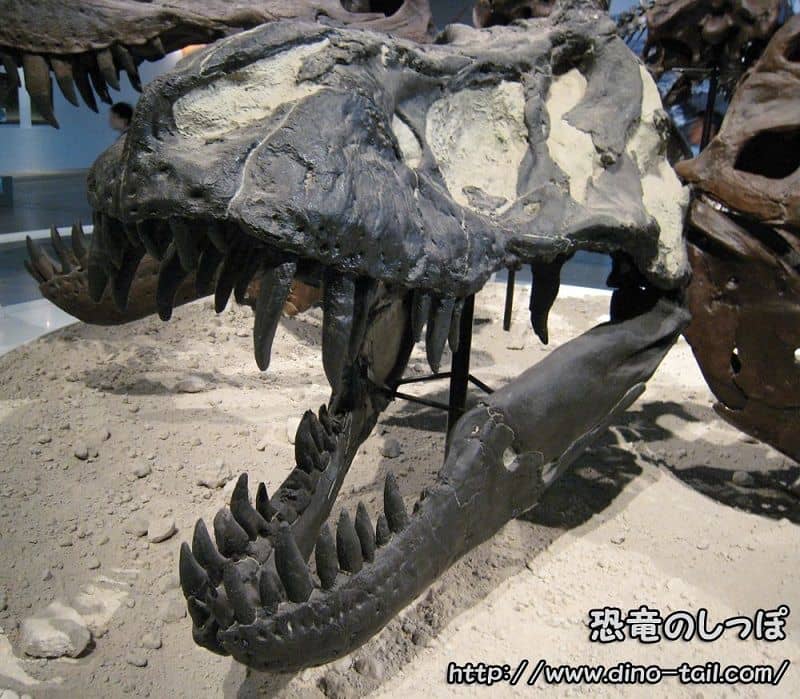
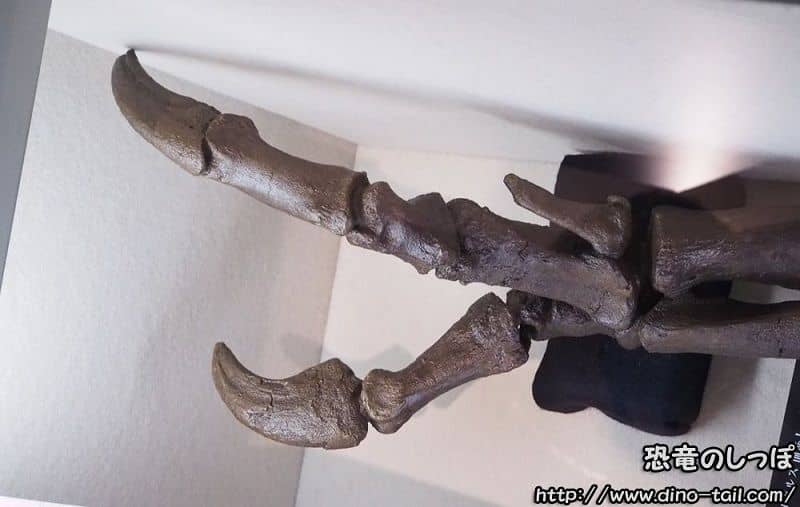
In this gallery, we have compiled photos of Tyrannosaurus skeletal fossils and dinosaur stamps from around the world, captured at major dinosaur exhibitions and museums in Japan since "The Great Dinosaur Exhibition" in 2004. Dozens of Tyrannosaurus specimens have been discovered worldwide so far, and important specimens are given "nicknames" named after their discoverers or characteristics. Even for the same Tyrannosaurus, each fossil bears a uniquely different history engraved in its bone thickness, color tone, and scars, depending on the growth stage, individual differences, and the mineral components of the stratum in which the fossil was buried. By comparing the photos, you can visually trace the ecology of the end of the Cretaceous period and the progress of research.
Tyrannosaurus
<Recorded Events>
The Great Dinosaur Exhibition (2004), Dinosaur Expo 2005, The Great Dinosaur Exhibition of the World 2006, Dinosaur 2009, New Theory: Dinosaur Growth (2012), Triceratops Exhibition (2014), Mega Dinosaur Exhibition 2015, Dinosaur Expo 2016, Super Carnivorous Dinosaur T.Rex Exhibition (2016), Giga Dinosaur Exhibition 2017, Dinosaur Museum in Chiba (2018), Dinosaur Expo 2019
Highlights of the Main Fossil Specimens Featured
When observing skeletal photos, you can enjoy them more deeply by focusing on the physical differences and traces of life of each specimen. For example, "Sue (FMNH PR 2081)", which came to Japan in 2005, is an extremely complete specimen with over 90% of its entirety remaining, while "Scotty (RSM P 2523.8)" exhibited in 2016 is known as one of the largest and oldest individuals with an estimated weight exceeding 8.8 tons. You must also see the differences in texture between specimens, such as "Wankel Rex" exhibited in 2012, "Tyson" photographed in 2023, "Stan" with vivid scars on its skull, and "Black Beauty" shining black due to manganese components. Furthermore, "Wyrex" exhibited in 2017 shows traces of cannibalism where its tail bones were bitten off by another of its kind, and the small specimen "Jane" photographed in 2018 has a slender skull and long legs, strongly supported by recent research to possibly be a separate genus "Nanotyrannus", making it a very important specimen for comparative observation.



Tracing the Changes in Tyrannosaurus Reconstructions Through Stamp Designs
Dinosaur stamps issued around the world are not just collector's items, but valuable materials that reflect the "changes in reconstructions" in paleontology of their time. In stamps issued in the old days, they were often depicted standing upright like Godzilla, dragging their long tails on the ground to walk. However, as research progressed, it changed to a dynamic posture where they balance their front and back with their huge head and long tail, keeping their spine parallel to the ground while moving. You can enjoy the history of Tyrannosaurus research through stamps.