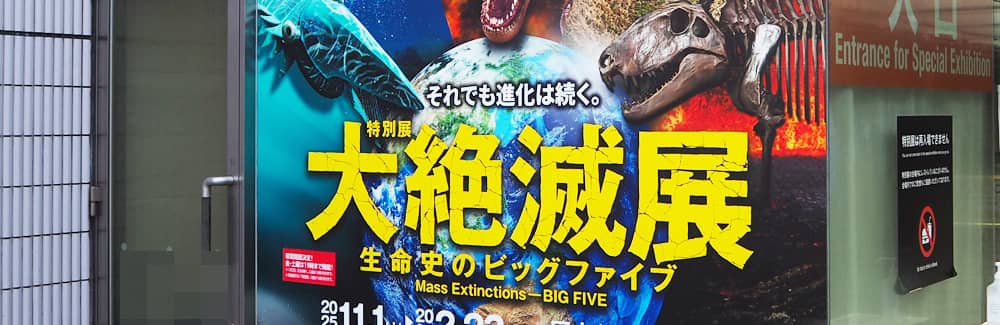
Still, evolution continues. The special exhibition "Mass Extinction - The Big Five of Life History" is currently being held at the National Museum of Nature and Science in Ueno. It is a very grand exhibition that traces the trajectory of evolution connected by overcoming extinction, focusing on the five mass extinctions (The Big Five) that occurred during the 4 billion years of life history.
I entered alone around 13:30 on a weekday. I enjoyed the latest research results and an overwhelming collection of specimens.
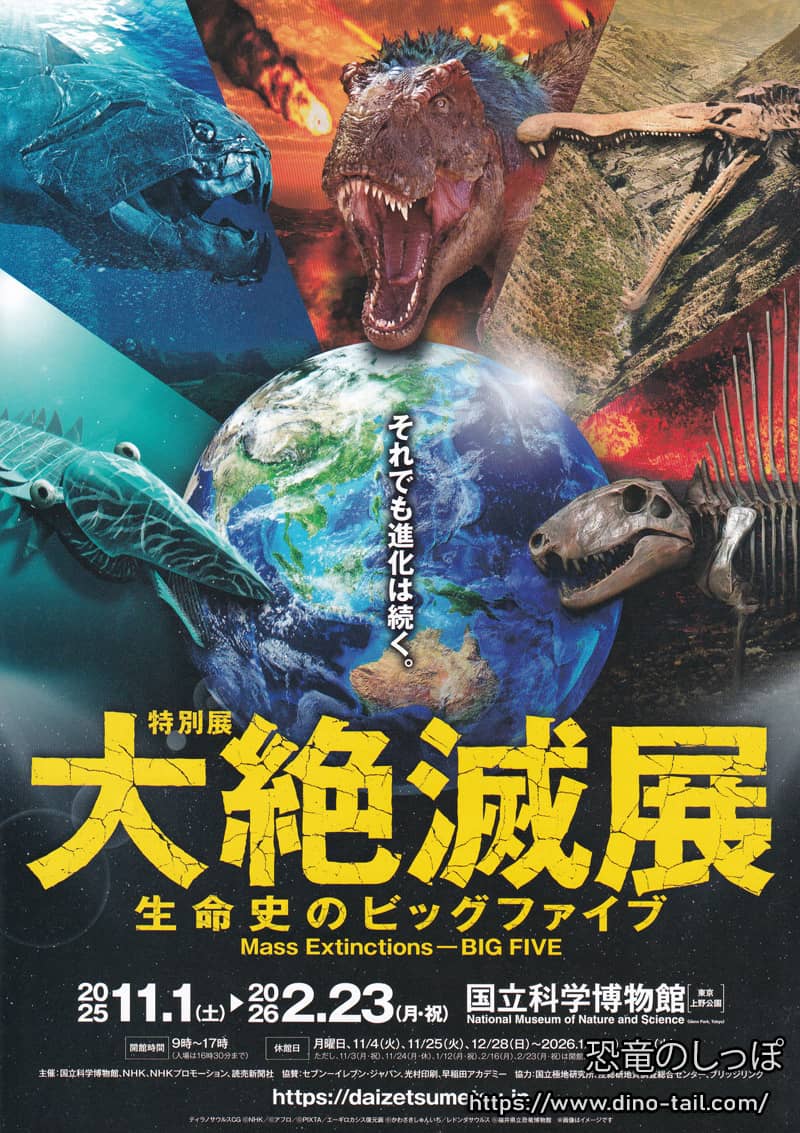
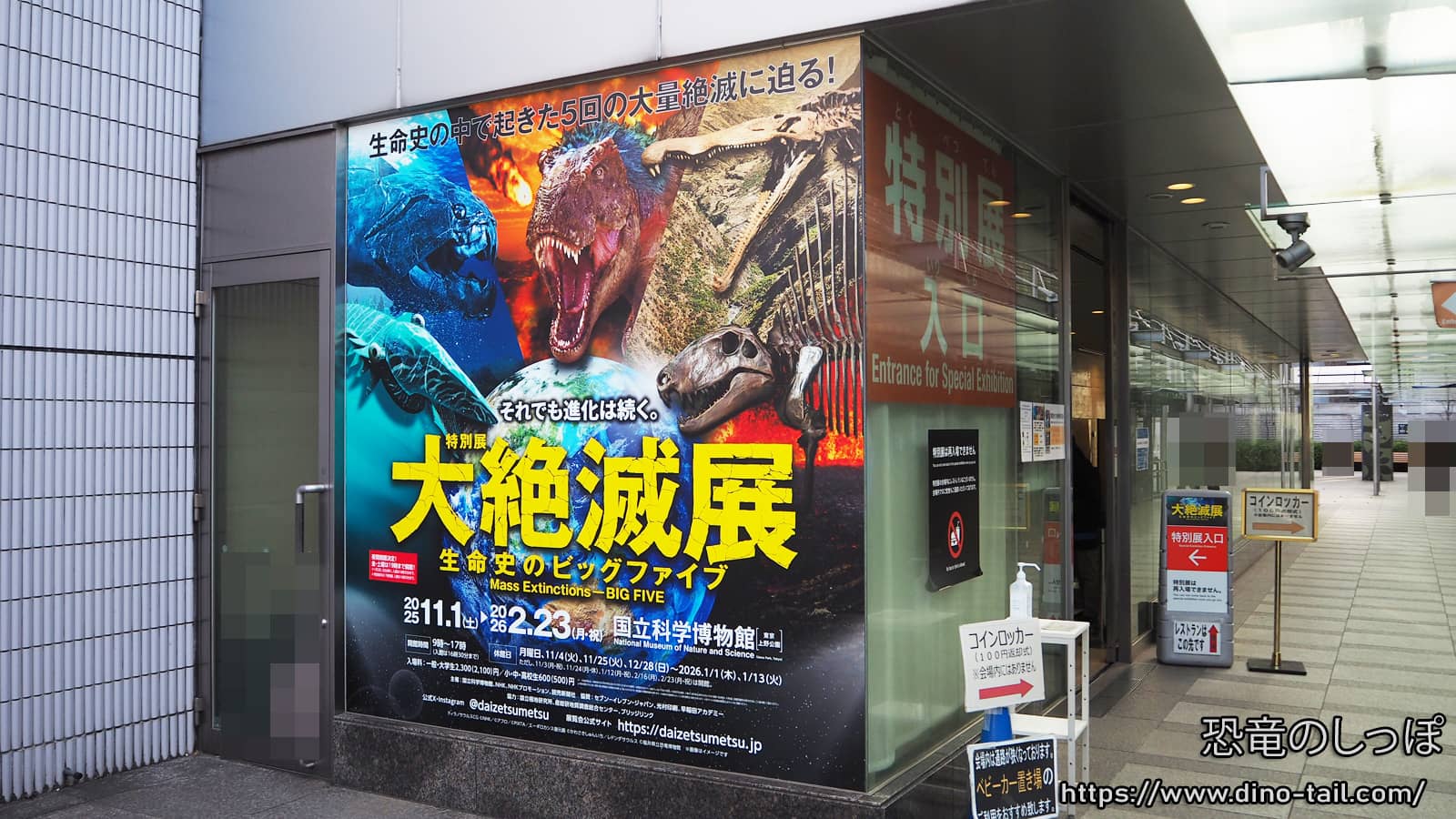
Exhibition Structure: Reliving the "5 Crises" that Struck Earth
The venue is composed of 6 episodes surrounding the central "Mass Extinction Sphere". It clearly depicts what happened in each era and what survived.
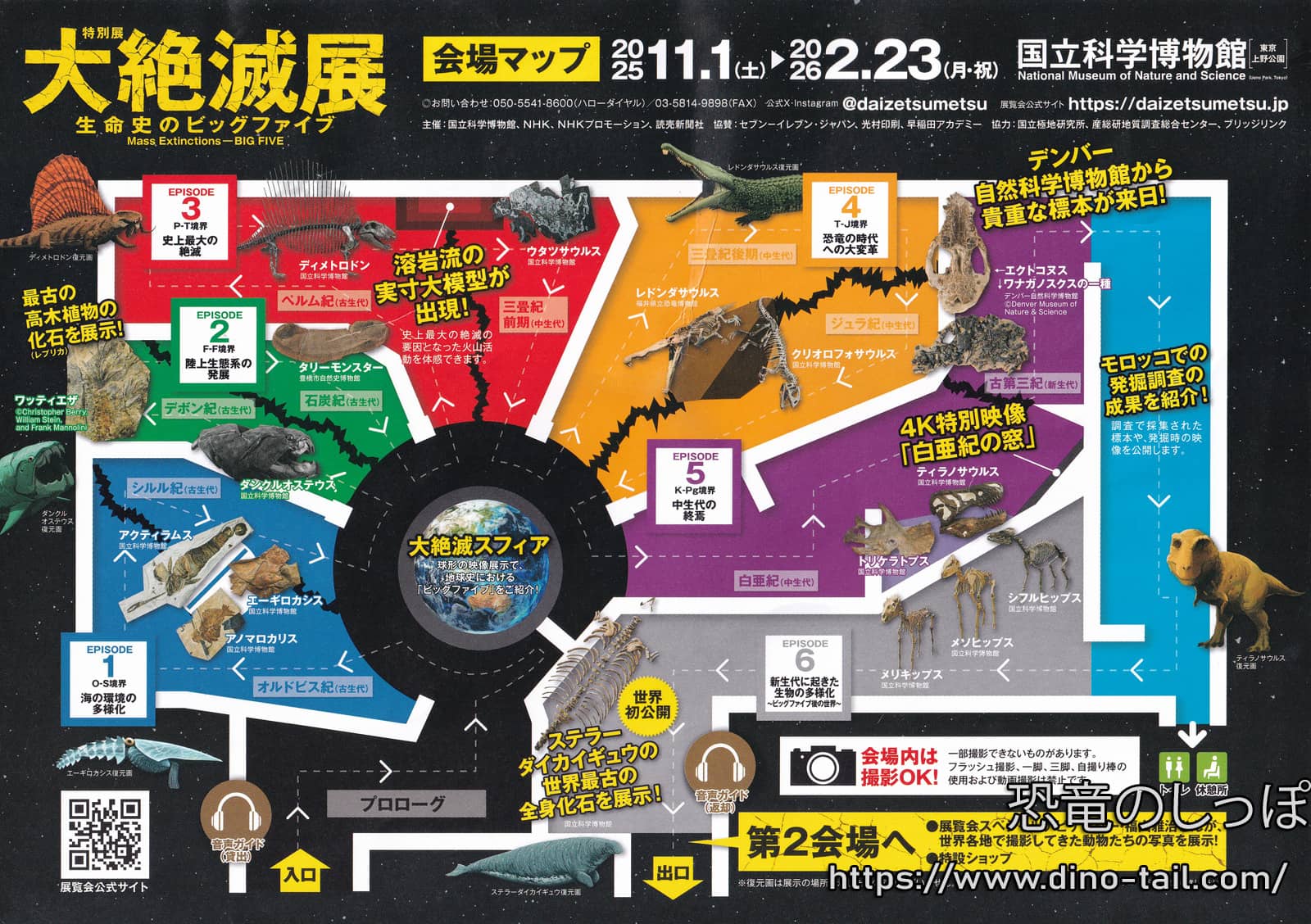
The "Big 5" are exhibited radially
EPISODE 1 & 2: Diversification of the Paleozoic Era and the First Wall
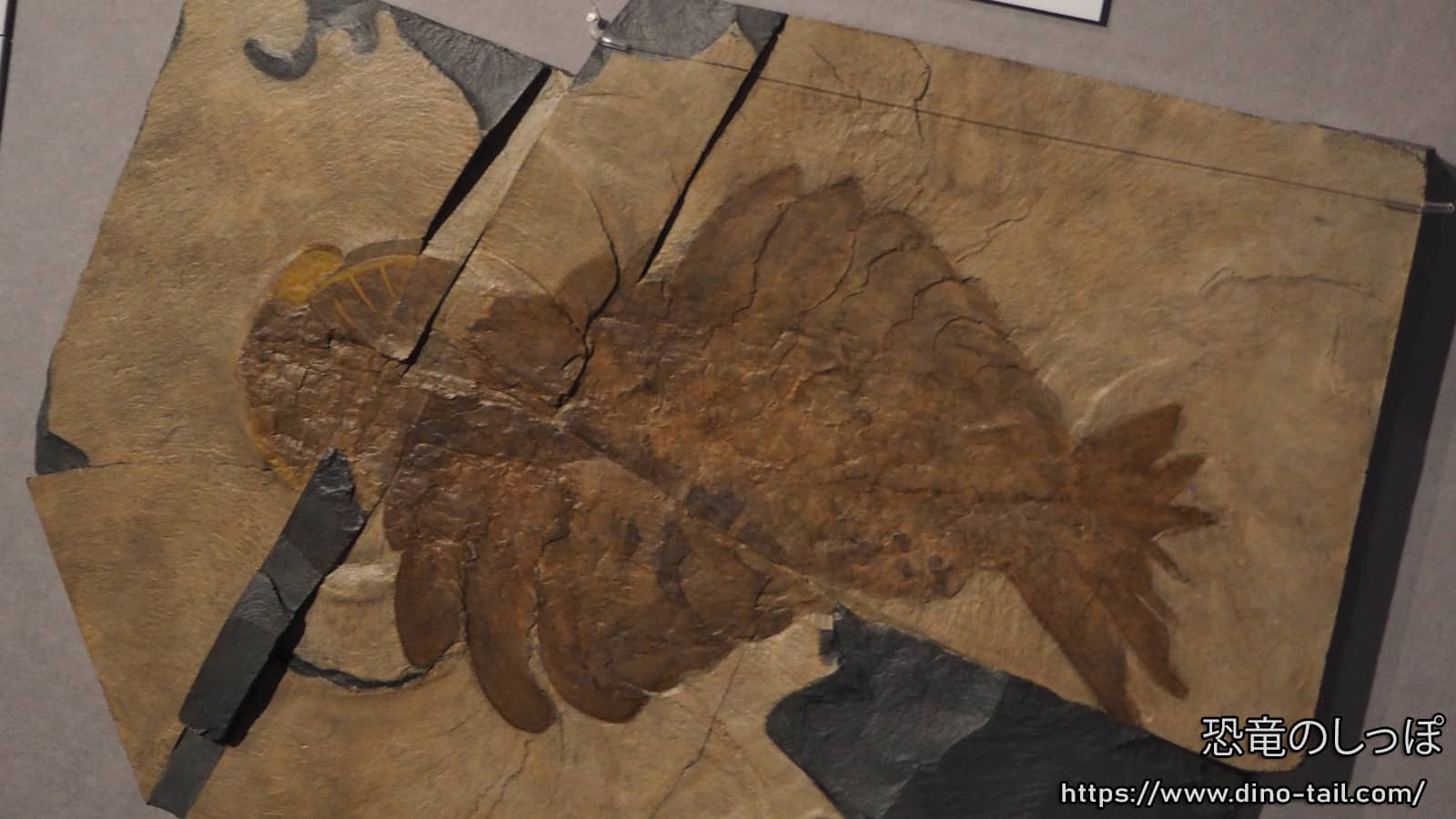
Thought to be a hunter that swam quickly and captured prey with its frontal appendages
EPISODE 1 (O-S Boundary):
Ordovician-Silurian Period. Approximately 443.8 million years ago.
The target is the marine life of the Ordovician. The latest excavation results from Morocco, one of the world's leading fossil sites, are unveiled, and you will be captivated by the exquisite specimens of giant arthropods like
Aegirocassis
and
Anomalocaris
.
EPISODE 2 (F-F Boundary):
Late Devonian Frasnian-Famennian boundary. Approximately 372.2 million years ago.
The Devonian period saw the development of terrestrial ecosystems. Noteworthy here is the
"Oldest Tree Fossil (Wattieza)," shown for the first time in Japan
. The power of the oldest high tree plant, which reached a height of 8 meters, is a must-see.
EPISODE 3: The Greatest Extinction in History "P-T Boundary"
Paleozoic: Permian and Mesozoic: Triassic boundary. Approximately 252 million years ago, the greatest tragedy where over 90% of life is said to have disappeared.
A "Full-scale Model of Lava Flow" appears at the venue, producing the terror of the massive volcanic activity that occurred in Siberia with sound and light. Beside it, a replica of Dimetrodon , a close relative to mammalian ancestors, is displayed, conveying the robustness of those who survived on the brink of extinction.
EPISODE 4 & 5: The Golden Age and End of Dinosaurs
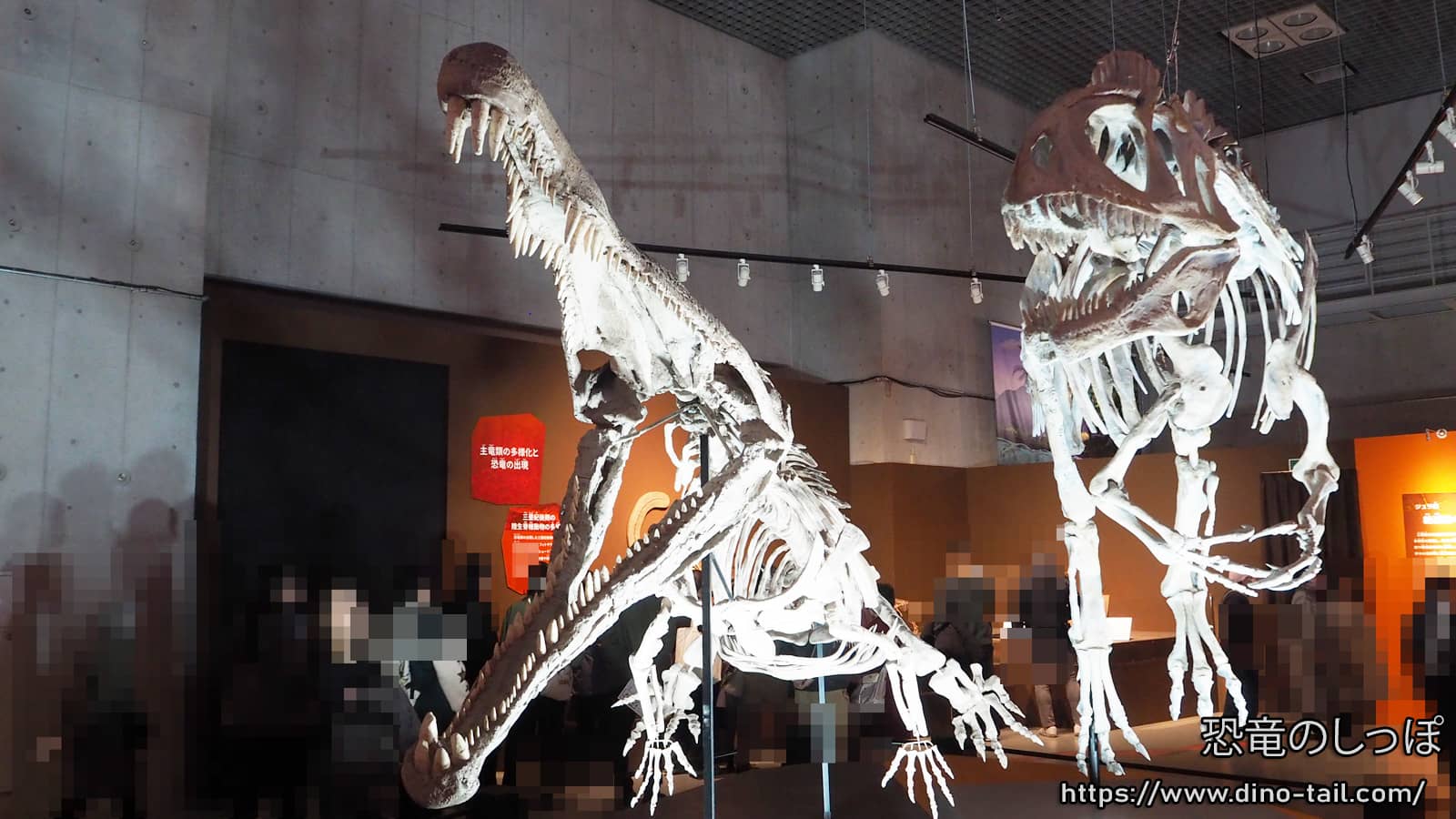
EPISODE 4 (T-J Boundary):
Triassic-Jurassic boundary. Approximately 201.3 million years ago.
Full-body skeletons of Redondasaurus (an archosauriform that lived in the Late Triassic) and the carnivorous dinosaur
Cryolophosaurus (Saurischia-Theropoda that lived in the Early Jurassic)
discovered in Antarctica are displayed side by side, creating an impressive photo spot.
EPISODE 5 (K-Pg Boundary):
Mesozoic Cretaceous-Cenozoic Paleogene boundary. Approximately 66 million years ago.
In addition to
Tyrannosaurus
and
Triceratops
, extremely rare specimens such as the mammal fossil
Ectoconus
, which came to Japan for the first time from the Denver Museum of Nature & Science in the USA, are on display.
EPISODE 6: And to the Modern Era (Cenozoic)
The highlight is undoubtedly the world premiere of the Steller's Sea Cow (world's oldest complete real fossil) . The giant body, approximately 6 meters in length, tells the story of the richness of the Cenozoic sea and the sadness of its subsequent extinction at the same time.
1. "Mass Extinction Sphere" Enhancing Immersion
The "Mass Extinction Sphere" in the center of the venue projects the cycle of life extinction and evolution onto a spherical screen.
Also, the 4K Special Video "Wrath of the Cretaceous" in EP5 depicts the final moments of dinosaurs with the latest graphics, providing breathtaking realism.
2. "Story of Life" Guided by Masaharu Fukuyama
The special navigator of this exhibition is Masaharu Fukuyama .
Audio Guide (650 yen incl. tax):
Mr. Fukuyama's calm narration deepens the journey of 4 billion years. There is also an app version (800 yen) that can be listened to repeatedly (unlimited playback) during the distribution period, so you can review it outside the venue.
Special Exhibition in the Second Venue:
Photos of animals on the verge of extinction taken by Mr. Fukuyama around the world are displayed. It is a valuable space to rethink "now" from an artist's perspective.
3. Weekday Daytime Crowd Conditions and How to Enjoy
I entered around 13:30 on a Wednesday, but the museum was crowded.
- Wait Time: Zero. I was able to enter smoothly. However, since it is a popular exhibition where numbered tickets are distributed on holidays, I recommend going on weekdays.
-
Photography:
Basically
Photography Allowed
. Flash photography is NG. Being able to take photos of valuable specimens is a big attraction.
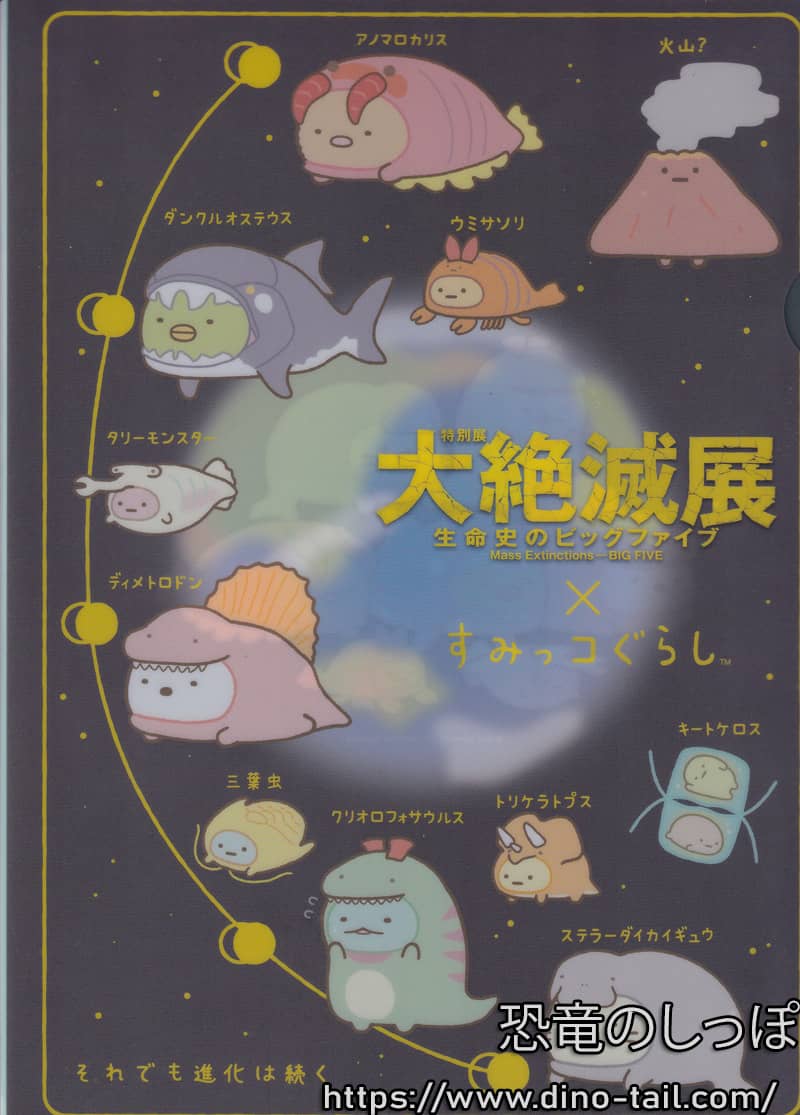
However, lines form in front of each specimen, so "taking photos slowly at your favorite angle" might be difficult. - Goods: Collaboration goods with "Sumikko Gurashi" are popular at the shop. Plush toys of Sumikko wearing costumes of Anomalocaris and Steller's Sea Cow are recommended.
After the Visit: Extinction is not an "End" but a "Baton"
"Even So, Evolution Continues"
—the phrase on the flyer strikes me with profound weight after seeing the exhibition. Following environmental changes and mass extinctions, new species have flourished, filling the empty spaces.
While extinction is a tragedy, without it, we would not be here today.
Please visit Ueno to experience this grand story.
【Event Outline】
| Period | November 1, 2025 (Sat) - February 23, 2026 (Mon/Holiday) |
|---|---|
| Venue | National Museum of Nature and Science (Ueno Park, Tokyo) |
| Opening Hours | 9:00 - 17:00 (Admission until 16:30) |
| Closed | Mondays (or the following Tuesday if it is a holiday), New Year's holidays, etc. |
| Tour Schedule | Scheduled to be held in Nagoya (Nagoya City Science Museum) from March 20, 2026 (Fri/Holiday) to June 14, 2026 (Sun), and in Osaka (Osaka Museum of Natural History) from July 17, 2026 (Fri) to October 12, 2026 (Mon/Holiday). |
| Official Website | https://daizetsumetsu.jp/ |